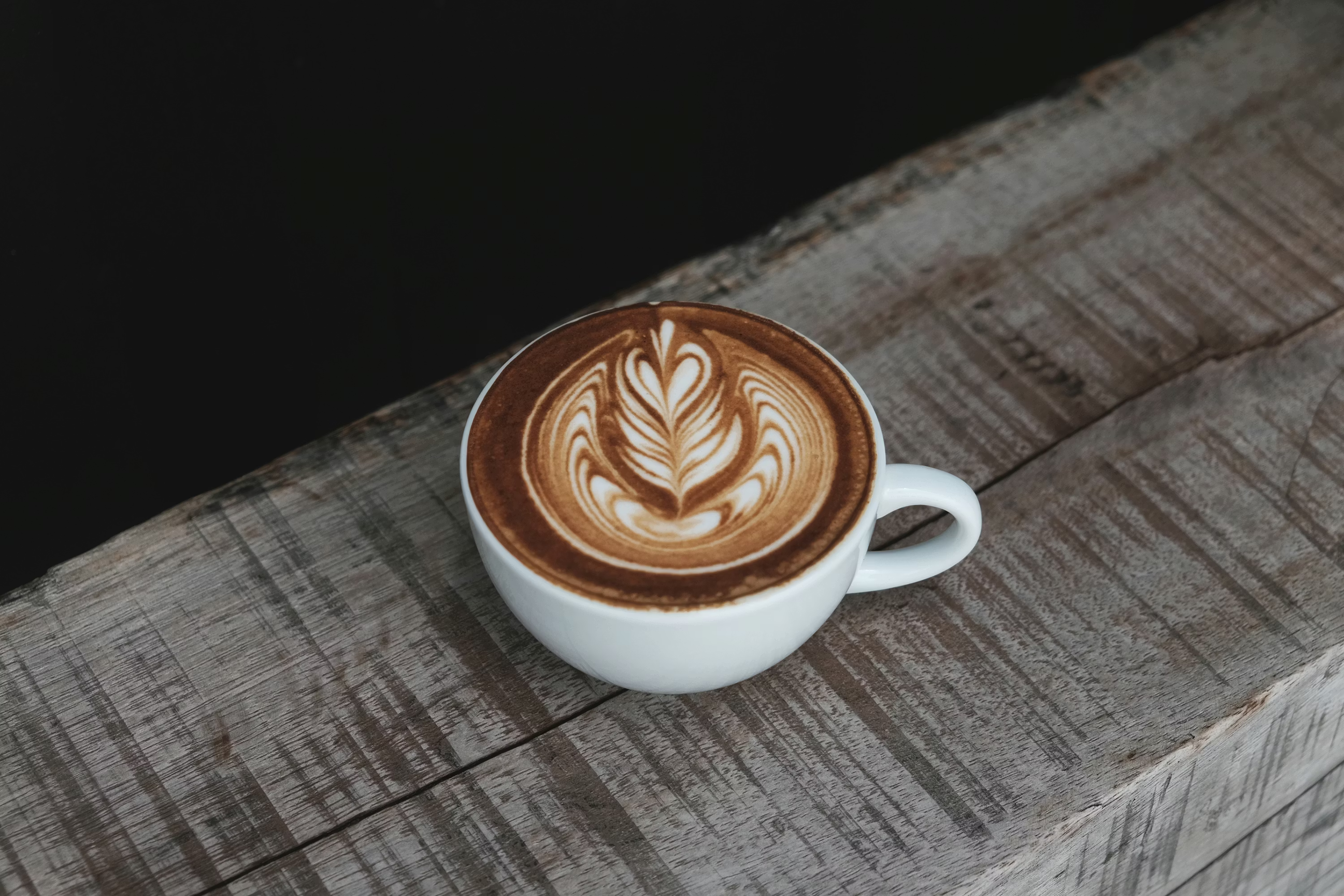
Most people think caffeine wears off once the "jitters" stop. In reality, caffeine has a half-life of about 5 to 6 hours. This means if you drink a cup of coffee at 4:00 PM, half of that caffeine is still circulating in your system at 10:00 PM when you're trying to drift off.
Blocking the Sleep Signal
Caffeine works by impersonating a molecule called Adenosine. Adenosine builds up in your brain throughout the day, creating "sleep pressure". Caffeine plugs into the adenosine receptors, effectively "muting" the signal that tells your body it's tired.
The Quality vs. Quantity Trap
Even if you can fall asleep after a late-night espresso, the quality of your sleep suffers. Caffeine significantly reduces Stage 3 (Deep Sleep), which is when your body performs physical repair and immune system maintenance.
Setting Your Curfew
To protect your rest, experts suggest a "10-hour rule."
The Rule: Stop all caffeine intake at least 10 hours before your intended bedtime.
The Exception: If you are highly sensitive, consider moving your curfew to noon.
The Alternative: Switch to herbal teas or decaf after 2:00 PM to satisfy the habit without the stimulant.
"A caffeine curfew isn't about giving up coffee; it's about making sure your coffee doesn't give up on your sleep."